
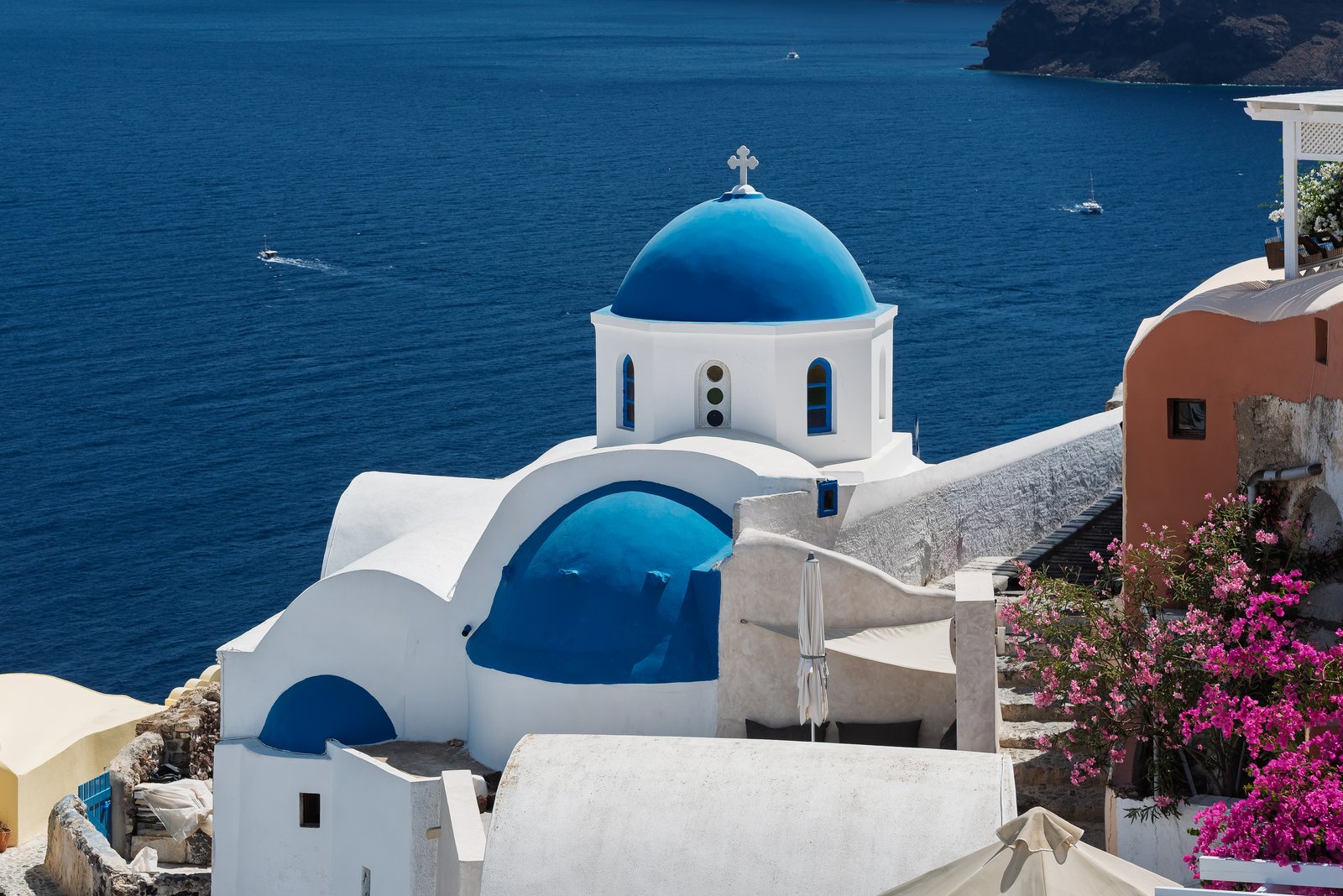
Greece small group tours turn a big trip into an easy one. A guide plans the route, a small van carries the group, and every stop comes with a story. My Greece Tours plans trips in this style, and this guide explains how the style works and how to pick the right one.
Greece has ruins, islands, and mountain villages spread across a wide map. Planning it alone takes time and energy. A small group removes that stress, so travelers spend their days looking at the view instead of a timetable. This article covers what to expect, who enjoys these trips, and how to choose well.


What Are Greece Small Group Tours?
Greece small group tours are guided trips for a few travelers who share one plan. The group meets at the start, travels together, and parts at the end. A guide leads each day, and a driver handles the road. The operator books hotels, transfers, and entry tickets to the main sights along the way.
Size sets this style apart, and a small group moves fast, fits into narrow village lanes, and shares one table at a family taverna. Nobody waits long at the ticket line or the bus door. By the end of day one, the guide knows every name, and the group starts to feel like friends.
Many travelers compare several options before they book. Readers who want more ideas can also browse Greece tours and Tours In Greece to see other trip styles. Knowing what a small group offers makes that comparison much easier and keeps the choice clear. A short list of questions helps, such as group size.
Travelers who want both options in one place can read about small-group and private tours in Greece. Small groups give company and ease, while private trips give full control over the pace and the plan. Both use planned stops and local guides, so the choice is company or freedom.
How Big Is A Small Group On Greece Small Group Tours?
A small group is a group that fits in one minibus. That is the simple test, and it works. Everyone sees the guide, hears the guide, and has room at the table. On a big coach tour, people in the back rows miss much of the story that the guide tells at the front.
The exact size changes from one operator to the next, so we advise reading the trip page with care. Look for a stated maximum group size, since a low number is a good sign. A clear limit shows that the company plans around comfort and does not try to fill every seat.
Small size changes the day in practical ways. The group can enter a tiny chapel, park near a beach village, and book a table at a family taverna on short notice. A van fits where a coach cannot. Large groups lose time at each stop, and they skip the smallest places on the map.
It also changes the mood, as travelers talk to each other and to the guide, and they ask questions without feeling rushed. The guide can adjust the plan when the weather turns or when the group wants a longer stop at a favorite place. Small talk turns into real stories over a shared meal.


What Does A Typical Day Look Like?
Days start with breakfast at the hotel and a short briefing from the guide. Then the group boards the van and heads for the first stop. In Greece, an early start beats the summer heat and the crowds at big sites like the Acropolis in Athens. Morning light also makes for better photos.
Inside archaeological sites and museums, only state-licensed guides are allowed to lead groups, so operators bring a licensed guide. A small group hears the full story without a crowd pressing in. The tour leader handles tickets, so nobody stands in a line with a wallet out, and each visit stays smooth.
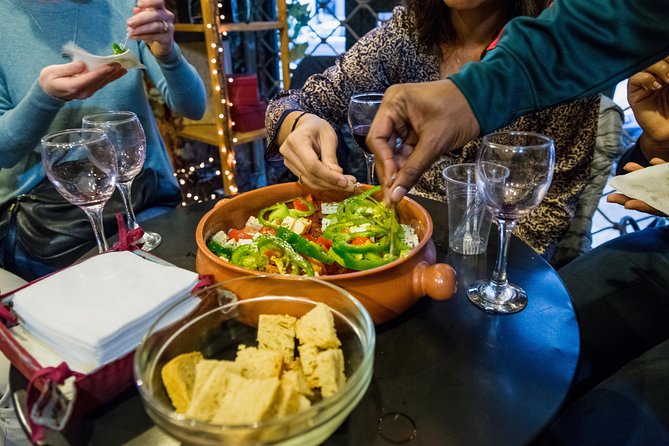
Lunch is a long, slow meal at a taverna. Plates of salad, grilled fish, olives, and feta land in the middle of the table, and everyone shares. Afternoons bring a second stop, a swim, a village walk, or free time to wander and shop. Greek meals are made for sharing, talking, and taking time.
Evenings end with dinner, either together or on your own, and the guide shares tips for the next morning. Greece small group tours keep this rhythm steady from day to day. A steady rhythm means less stress and more energy for the sights. The list below sums up the flow of a typical day.
- Breakfast and a short briefing from the guide
- Morning visit to a site with a licensed guide
- Long lunch at a local taverna
- Afternoon walk, swim, or free time
- Dinner together and a plan for tomorrow
Which Places Work Best For Small Group Tours In Greece?
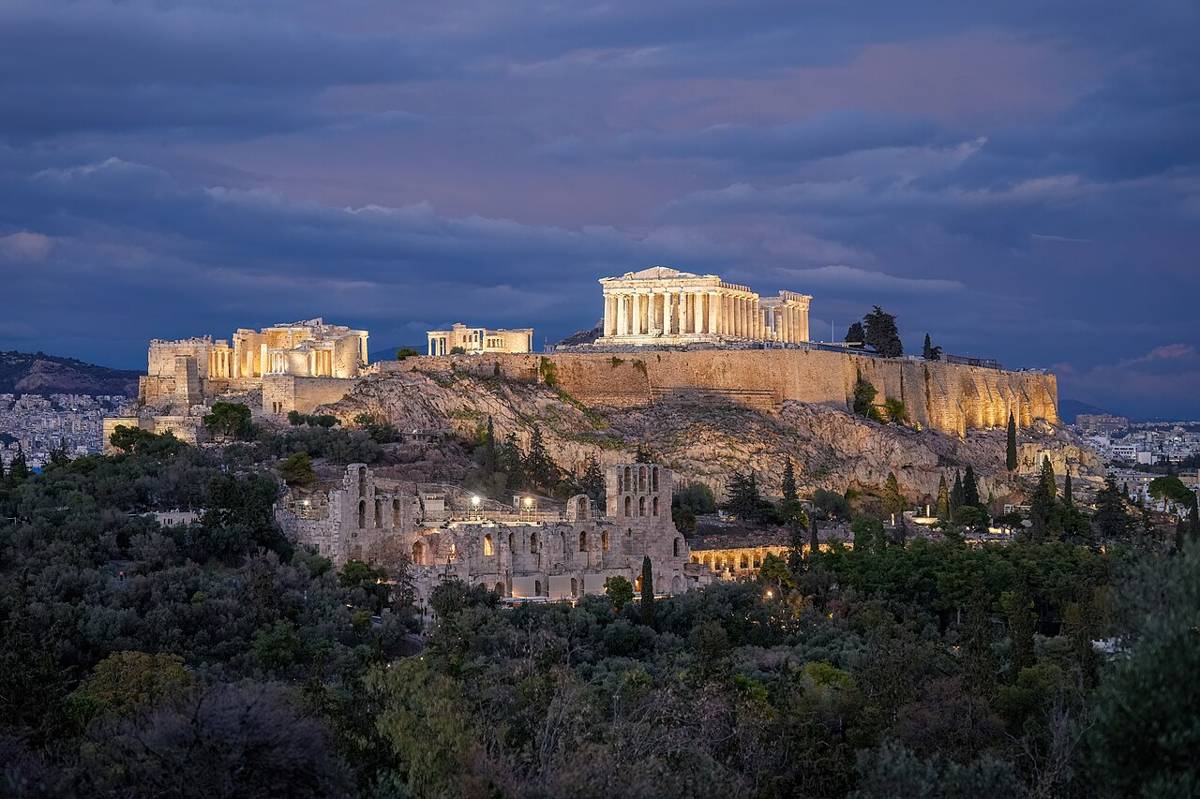
Athens is the natural start. The Acropolis, the Parthenon, and the old lanes of Plaka suit a guided walk, where the guide explains what stands in front of you. A small group moves through busy streets as one unit and keeps the pace easy. Evenings in Plaka end with a meal outdoors.
Delphi and Meteora fit this style well, and both places leave a deep impression. Delphi was the home of the ancient oracle, where people came to ask the gods for advice. Meteora has monasteries built on tall rock pillars. Winding roads and small car parks make a van far easier than a big coach.
The islands suit small groups too. Santorini and Mykonos have whitewashed villages with narrow lanes and tiny harbors. A guide handles ferries, bags, and transfers while the group enjoys the sea views. Island days mix beaches, village walks, and long lunches by the water. Nobody has to decode a ferry timetable alone.
Short trips from the capital also work well. Travelers who base themselves in Athens can read day trip ideas from Athens to see what fits into a single day. Cape Sounion, with its temple above the sea, is a popular choice for a sunset visit. Long summer light makes the drive worth it.



Who Enjoys Greece Small Group Tours Most?
Solo travelers enjoy this style most. The group gives company at meals and on walks, and the guide handles the planning, so nobody eats alone unless they want to. A solo traveler arrives as a stranger and leaves with new friends and a shared set of photos. A group also adds peace of mind.
First-time visitors gain a lot. Greece has ferry timetables, site rules, and tricky transport. A guide takes care of all of it, so a first trip feels simple. Travelers who dislike planning get the same benefit. Questions get answers on the spot, from the best snack to the age of a temple.
Couples and friends who want a shared trip enjoy it too. Older travelers like the steady pace and the van that drops them near each stop. Families with teenagers enjoy the stories and the short walks. These trips suit anyone who likes company and good guidance. Everyone finds a seat at the table.
Travelers who want total freedom prefer a private or self-guided trip. They set their own hours, skip the group meals, and stay as long as they like. Greece small group tours suit people who value ease more than full control of the day. That is a fair trade, and each traveler decides.
How Do Small Group Tours Compare With Private And Coach Tours?
A private tour gives full control, so the traveler picks the pace, the stops, and the meal times. That freedom costs more per person, because the price of the guide and the car falls on one party. A small group shares those costs among everyone on board. Private trips also need more planning.
A coach tour sits at the other end. Big coaches carry many people, which keeps the price low. The cost is time, since loading and unloading take longer, and big coaches cannot reach some small villages or narrow streets. The guide speaks to a large crowd, so talks are shorter and questions are rare.
Small group trips sit between the two. The group is small enough to feel personal and large enough to share costs. The guide still sets the plan, so there are fewer choices than on a private trip, but far fewer waits than on a coach. That balance explains the appeal of the style.
Organizers who plan trips for clubs, schools, or families can read about Greece group tours to see how larger parties are arranged. Big parties need extra rooms, extra vans, and a longer lead time. For solo travelers and couples, a small group gives the best balance of price, company, and care.




What Should You Pack And Prepare?
Pack for walking. Comfortable shoes with a good grip matter most, because ancient marble is smooth and steps are steep. Add a sun hat, sunglasses, sunscreen, and a refillable water bottle. Greek summers are hot, and open sites offer little shade. Breathable cotton or linen clothes keep the body cool during long visits.
Bring light layers for the evening and a thin jacket for the sea breeze. Monasteries such as those at Meteora ask visitors to cover shoulders and knees, so carry a scarf or a light shirt. A small day bag keeps both hands free on the stairs. Zip pockets keep your phone safe.
Space in a minibus is limited, so pack small. A guide to packing light for Greek island tours shows how to build a trip wardrobe from a few pieces that mix well. Soft bags load more easily than hard cases, and they fit a small van. Light luggage also makes ferry stairs easier.
Prepare a few basics before you fly. Carry a copy of your passport, keep your phone charged, and tell the guide about any health needs early. For clear advice on staying safe, read these safety tips for Greece tourists. A little care keeps the trip easy. Travel insurance is also a smart step.
Conclusion: Small Groups Make Greece Feel Personal
Greece rewards slow, curious travel, and a small group supports both. The guide opens doors, the driver handles the road, and the group shares each moment. Travelers see more and worry less, which is the real value. The long history of the country comes alive when someone explains it in plain words.
Before you book, check the group size limit, the hotel standard, and what the price covers. Then choose the places that matter most to you. With the right match, Greece small group tours turn a busy country into a calm, friendly trip. Ask questions early, and read the fine print on meals and transfers.
Frequently Asked Questions About Greece Small Group Tours
Do Greece small group tours include hotels?
Trips that last several days include hotels, and the operator books every room in advance, so travelers never hunt for a bed. Day tours do not, because travelers return to their own hotel at night. The trip page states what the price covers, so read it before you pay and check the hotel level.
What transport do Greece small group tours use?
Groups travel by minibus or van on the mainland, with a driver who knows the mountain roads. Island trips add ferries and short sea crossings, and the operator books every ticket. The driver handles the luggage at each stop, so travelers just step on and off and keep their hands free.
How does dining work on Greece small group tours?
Breakfast comes with the hotel and is served early so the day can start on time. Lunch and dinner mix group meals at local tavernas with free evenings to pick your own place. The trip page states which meals the price covers, and travelers should tell the operator about any allergy before booking.
How long are Greece small group tours?
Trips run from a single day to a full holiday that covers the mainland and the islands. Day tours from Athens reach Delphi or Cape Sounion and return the same evening. Pick the length that matches your leave, your budget, and your energy, and add days if the list of places is long.
Are Greece small group tours suitable for limited mobility?
Greek archaeological sites have steep steps and uneven marble, so mobility needs planning before the trip. Tell the operator early and ask for a route with fewer stairs and more van stops. A small group suits slow walkers well, because the guide adjusts the pace and picks seats and rest stops with care.
Are Greece small group tours good for solo travelers?
Yes, solo travelers fit in easily, and joining a trip alone feels natural from the first meal. The group gives company at meals and on walks, and the guide handles the details of the day. Ask about single rooms when booking, because a room for one person costs more per head.
How do travelers choose between Greece small group tours?
Travelers choose between Greece small group tours by comparing the route, the guide’s training, what the price covers, and daily free time. A short checklist keeps the choice fair, because every operator describes its trip in its own words.
Compare the route and the stops
The map is the best place to begin. A route that crosses the whole country means long hours on the road. A route built around one region leaves more time at each stop.
Travelers can also check how many nights each stay lasts. Moving every day is tiring, while a few nights in one town let the group unpack and see the place slowly. Greece small group tours that stay put for a while feel calmer.
Some travelers want more control than a shared route allows. For that style, private tours in Greece let the traveler set the dates and the stops. Others prefer a set plan with company, and that is where Greece small group tours fit best.
The days around the trip count as well. Some tours open with a welcome dinner and close with a farewell meal. Greece small group tours use these touches to help strangers become a friendly group.
Read what the price covers
Two Greece small group tours with the same headline price can include very different things. One covers entry tickets and several meals, while another leaves both to the traveler. Reading the inclusion list line by line shows the real cost.
Extras differ as well, and tips, boat trips, and airport transfers are common items to check. A tour that names each one clearly is easier to trust.
Reviews from past guests add another layer. Comments about the guide, the hotels, and the pace are the most useful ones. Travelers who read several reviews of Greece small group tours can spot patterns, good or bad.
A wider view helps with the final choice. The guide to choosing the right Greek tour helps travelers weigh their options before booking. Those who like one leader at their side can also read about escorted tours in Greece.
What questions should travelers ask before joining Greece small group tours?
Before joining Greece small group tours, travelers should ask who leads the group, what the fee includes, and how changes are handled. Closures and bad weather belong on that list as well. A vague or slow reply is itself a useful signal.
Questions about the guide and the plan
The first question is about the guide. Travelers can ask whether the guide holds a state license, since only state-licensed guides can lead groups inside Greek archaeological sites and museums. A clear yes is a good sign.
Most worries fit into a short list. These questions work for any of the Greece small group tours a traveler is considering:
- Is the guide state licensed?
- Who drives, and is that person also the guide?
- Which days are free of group activities?
- Which sites need tickets bought ahead of time?
- What happens if a site is closed?
These questions take only a few minutes to send. Honest operators of Greece small group tours answer them plainly, and the answers reveal how the tour is run.
Questions about cost and changes
Money questions come next. A traveler on a tight budget can read budget tips for Greece visitors before booking. Then the tour fee is easy to compare with what the same days would cost alone.
Cancellation rules matter too. Travelers can ask what happens if a flight is late, if a ferry is canceled, or if a guest falls ill. Good operators of Greece small group tours expect these questions and explain the answers in writing.
Travel insurance is a separate topic. Tour fees seldom include medical care or a lost bag, so travelers can ask what cover the operator expects each guest to carry.
Solo travelers have one more question about single rooms and how the group welcomes people who arrive alone. These solo travel tips for Greece cover that side in more detail.


How do Greece small group tours handle pace and free time?
Greece small group tours handle pace by mixing guided visits with open hours, leaving room for rest, a swim, or a slow walk. The balance changes from one operator to the next. Reading the itinerary closely shows where each tour stands.
Heat, rest, and the rhythm of the day
Summer heat shapes the plan more than anything else in Greece. Guides schedule outdoor sites for the cooler early hours, then slow down at midday. Many Greece small group tours also add a long lunch in a shaded taverna.
Light days matter on longer Greece small group tours. A day with only one short visit gives tired legs a break and keeps the mood high. Travelers who dislike rushing can look for those gentler days in the itinerary.
Walking surfaces change the pace as well. Old towns and ancient sites have uneven stone, and slow steps keep everyone safe. A guide who waits at the top of a slope shows that the group moves at the speed of its slowest member.
Families see the same benefit, since children cope better with a calm rhythm. These family-friendly Greece travel tips explain how to plan breaks, snacks, and quiet time around a group schedule.
Making the most of free time
Free time is where a traveler’s own taste shows. Some use it for a museum, a market, or a long coffee on a village square. Others simply rest, and Greece small group tours leave that choice to each guest.
A good plan also gives the group a clear meeting time and place. Guides repeat it before everyone splits up and often send it in a message. This small habit keeps free time calm on Greece small group tours.
A few Greek words go a long way in that time. Essential Greek phrases such as kalimera for good morning and efharisto for thanks open doors in shops and cafes. Local people notice the effort and answer warmly.
Getting around alone is simple in most towns and on islands, since local buses and ferries run on fixed routes. The guide to exploring Greece by public transport gives practical advice for independent travelers who want to roam on their own.
How do Greece small group tours use local guides and drivers?
Greece small group tours use licensed local guides to explain sites and tell stories, while a driver handles the roads and the timing. Some tours give both jobs to one person, and others split them. Each set-up changes how the day feels.
What a licensed guide adds to the trip
A licensed guide turns ruins into a story. At a site such as the Acropolis, only state-licensed guides can lead groups inside, so this training is the base of a good visit. The guide explains what the stones were for and who used them.
A closer look at Acropolis guided tours shows what a guide adds beyond signs and audio devices. Greece small group tours gain a lot here, because a small circle can ask questions and hear every answer.
Good guides also read the group. They notice when guests are tired, when a story should be short, and when a quiet minute at a viewpoint fits better. Greece small group tours give guides that freedom.
Guides on Greece small group tours also share modern Greece. They point out a good bakery, explain how families live, and answer questions about daily life. That local view is hard to get from a book.
What drivers add to Greece small group tours
A driver does far more than steer. Mountain roads, island lanes, and busy city streets all need local knowledge. The driver knows where to park, where to stop for a view, and which roads are slow at rush hour.
Many drivers are locals who know the family-run bakeries, beaches, and viewpoints that maps often miss. That insight turns a plain transfer into a small discovery.
Drivers also help guests with bags and tricky steps. A traveler who tires easily can ask the driver to stop close to a site entrance. The Acropolis accessibility information guide gives useful facts for planning that visit.
Guests who follow local customs, such as covering the shoulders in a monastery, make every stop smoother. The cultural etiquette for Greece visitors guide lists these habits in a practical way. Greece small group tours work best when every guest follows them.
Which Greece small group tours explore Athens and the Acropolis?
Greece small group tours in Athens cover the Acropolis, the Acropolis Museum and the old streets below. A licensed local guide leads the walk and keeps the group small. Most routes start here because Athens is the main arrival point. That is why Greece small group tours treat the city as a calm first stop.
Why the Acropolis suits a small group
Only state-licensed guides may lead groups inside Greek archaeological sites and museums. That rule makes the guide a core part of every Acropolis visit. A small group can stay close and hear each story clearly.
The climb follows a set route, and visitors pass the gateway and the small temple of Athena Nike before they reach the Parthenon. Many Greece small group tours leave time at the top for the view over the city.
Crowds gather early at the gate, so timing matters. Good operators of Greece small group tours arrange entry for the whole group. Solo visitors can read how to skip the lines at the Acropolis before they go.
Acropolis Museum, Plaka and Monastiraki
The Acropolis Museum stands at the foot of the rock and holds many sculptures found on it. Greece small group tours often visit it after the climb, so the story stays in order. The guide links each carving to the temples seen outside.
The walk then moves through Plaka, the old neighbourhood with narrow lanes and small cafes. It ends near Monastiraki, where the flea market and the busy square sit. A planner can pair the day with an Athens itinerary for first-timers.
Evenings suit Plaka well, when small taverns fill the lanes and the lit Acropolis glows above the rooftops. The must-see museums in Athens also deserve time on a longer stay.
Some Greece small group tours add a drive to Cape Sounion, where the Temple of Poseidon stands above the sea. Greece small group tours also sit in the middle on cost. They cost more than a large coach tour and less than a private guide.
Which Greece small group tours reach Delphi and Meteora?
Greece small group tours reach Delphi and Meteora on a loop north of Athens. The trip usually includes a night in Kalambaka, the town below the Meteora rocks. The road passes Arachova, a mountain village with stone houses. Guides on Greece small group tours use the drive to share the stories of each place.
Delphi and the oracle of Apollo
Delphi sits on the slopes of Mount Parnassus and was home to the oracle of Apollo. Ancient visitors came to ask about war, travel and daily life. Today the Sacred Way climbs past ruined treasuries to the temple and the theatre.
The site museum beside the ruins holds the bronze Charioteer, one of the best-known statues from ancient Greece. Many Greece small group tours see the museum and the ruins in the same morning.
Arachova makes a natural stop before or after the site. Travellers who enjoy the road itself can read about scenic drives in mainland Greece. A small group can pause at a viewpoint without holding up a large coach.
Meteora and its cliff-top monasteries
Meteora is a group of tall rock pillars with monasteries built on top. Monks settled among the rocks long ago to live in quiet prayer. Readers who want the full story can follow the history of the Meteora monasteries.
Visitors climb stone steps to some of the monasteries, and the terraces give wide views over the plain below. Guides also explain the old rope baskets that once lifted monks and supplies up the cliffs.
Kalambaka sits at the base of the rocks and is the usual base for visitors. Dress rules apply at the monasteries, so shoulders and knees should be covered. The advice on how to visit Greek monasteries covers the manners in more detail.
Greece small group tours also run as Meteora day trips from Athens for travellers with less time. That version is a long day, but it keeps the hotel in one place. Longer trips leave more time to see the sunset over the rocks.
Which Greece small group tours include the Peloponnese?
Greece small group tours in the Peloponnese link Corinth, Mycenae, Epidaurus and Nafplio on one loop from Athens. Longer versions add Olympia and the hill city of Mystras. The region lies south-west of Athens and holds many famous ancient sites. Narrow roads and village streets suit a small group well.
Corinth Canal, Mycenae and Epidaurus
The Corinth Canal is a narrow cut through solid rock that joins two seas. It lets ships skip the long trip around the Peloponnese, and groups stop at the bridge to look down at the water far below. Then the road leads on into the hills toward Mycenae.
Mycenae was a mighty city in the Bronze Age, famous for the Lion Gate and its royal tombs. Readers can learn about the treasures found at Mycenae before the trip. Greece small group tours then continue to Epidaurus, where the ancient theatre is known for its clear sound.
Epidaurus was also a place of healing, where pilgrims came to rest and seek cures from Asklepios, the god of medicine. The theatre stands beside that old sanctuary.
Nafplio, Olympia and Mystras
Nafplio is a seaside town with a Venetian fortress above it and neat old streets. It was the first capital of modern Greece, so many Greece small group tours stay here overnight.
Visitors can stroll the waterfront and climb the steps to the fortress for views over the bay. The town is a relaxed place to rest after a busy day at the ruins.
Olympia is the birthplace of the ancient Olympic Games, and visitors walk through the old stadium. The museum nearby holds finds from the temples and the games. Greece small group tours that reach this far west need extra time on the road, so the trip runs longer.
Mystras is a Byzantine hill town near Sparta, with ruined churches and palaces on a steep slope. A guide on Greece small group tours explains what each ruin once was.
Which Greece small group tours combine Cyclades islands?
Greece small group tours combine Cyclades islands such as Santorini, Mykonos, Naxos and Paros by ferry. A tour leader stays with the group from island to island, and Milos or Delos joins some routes. Ferries link the islands, so Greece small group tours plan each day around the sea.
Santorini and Mykonos, the island classics
Santorini is known for white towns on cliffs above a flooded volcanic crater. Mykonos offers whitewashed lanes, windmills and a lively harbour. Many Greece small group tours start with these two islands because the views are so famous.
The sunsets over the water draw big crowds, so a tour leader who knows the best spots saves the group time and stress.
A short boat trip from Mykonos leads to Delos, the sacred island of ancient myth, where Apollo was said to be born. Delos is an open-air archaeological site, so only licensed guides may speak for groups among the ruins.
Naxos, Paros and Milos at a gentler pace
Naxos is the largest island of the Cyclades, with long sandy beaches, mountain villages and a marble gate near the harbour. Paros has white villages and a pretty port. Both islands feel calmer than Mykonos, which suits travellers who want slow days.
Milos is known for its pale volcanic rock, its small fishing villages and its hidden coves. The famous statue called the Venus de Milo was found here. Greece small group tours that include Milos often leave extra time for the sea.
Before booking Greece small group tours, a traveller can check a few points on any island route.
- Which islands the route covers
- How many nights the group spends on each island
- Whether ferry tickets are part of the price
- How much free time the group gets
- Who handles luggage at the port
Travellers who plan their own trip can read about Greek island hopping and how to travel between the Greek islands. The tips for ferry travel also help with luggage and timing.
Which Greece small group tours suit food lovers?
Greece small group tours with market walks, tavern dinners, and winery stops suit food lovers best, since small groups can taste and linger. Guides pick places where locals really eat. Meals feel like part of the trip, not a break from it.
What does a food day on Greece small group tours look like?
Food-focused Greece small group tours often open at the Athens Central Market, a busy hall of fish, meat, olives, and cheese. Guides explain what each stall sells and how locals cook it. The group then walks to the Plaka tavernas for a long lunch of shared plates.
The format helps first-time visitors, because the guide orders a spread of dishes and explains each one. Nobody has to guess what is on the plate. This list of food markets in Greece shows where else a market-led day works well.
Special diets are easier in a small group. The guide can tell the kitchen about allergies or vegetarian needs before the dishes arrive. Greek cooking also leans on beans, greens, olive oil, and fresh vegetables, so meat-free guests eat well.
How do wine and village stops fit in?
Greece small group tours fit easily into family wineries and tasting rooms. Nemea is known for the red Agiorgitiko grape, and Santorini is known for white Assyrtiko grown in volcanic soil. A guide explains each glass in plain words.
Naxos villages add a slower side, with local cheese, potatoes, and home cooking served at a shared table. The guide to popular wine regions in Greece helps travelers choose which grape and style to taste first.
Travelers who read about Greek food to try before the trip get more from Greece small group tours. The menu names already feel familiar, and the guide fills in the rest, from what to order to how locals eat it.
Which Greece small group tours suit couples and honeymooners?
Greece small group tours on the islands, with sunsets, short transfers, and free evenings, suit couples and honeymooners who want a relaxed pace. The group stays small enough to feel personal. Guides plan each day around views and rest, not long drives.
Where do couples find the best views?
Santorini is the classic pick, and the Oia sunset is the highlight of the day. Oia fills with visitors at dusk, so guides plan the walk and the viewing spot ahead of time. Greece small group tours then pair it with a quiet dinner away from the crowds.
Mykonos adds a lively harbor, whitewashed lanes, and relaxed dinners by the water. A boat trip to Delos, the island where Apollo was born in Greek myth, adds history. Only state-licensed guides may lead groups inside the ancient site, so a licensed guide joins the group there.
Couples who love photos should read these photography tips for Greece first. Soft evening light makes sunset stops easy to shoot, and a small group leaves room to find a good angle.
Are Greece small group tours right for honeymoons and anniversaries?
Greece small group tours work well for honeymoons and anniversary trips, because the guide handles tickets, ferries, and bookings. The couple only has to enjoy the trip. Each stop feels easy and unhurried.
Some couples plan a ceremony at the start of the trip. The list of top Greece wedding destinations shows which islands and towns suit a celebration. Nafplio, a calm seaside town on the mainland, is made for slow evening walks.
Greece small group tours also give couples a little company without crowding them. Honeymooners meet other travelers at dinner, swap tips, and then head off on their own. Each couple keeps a private table and a private evening.
Older couples have good options too. This review of the best Greek island for over 50s explains which islands offer gentle paths and easy transport. A day of sun fits in as well, and the guide to top beaches in Greece helps pick a quiet bay.
How do Greece small group tours support responsible travel?
Greece small group tours support responsible travel by putting fewer people in each village, hotel, and restaurant, so more spending reaches family-run places. Smaller groups also cause less crowding. Guides teach simple habits that protect sites and neighborhoods.
What makes a small group lighter on a place?
A small group walks quietly through an old village, while a big coach party can fill a whole lane. Small groups also use smaller vehicles and fewer rooms at each stop. That means less noise and less waste.
Local guides book family-run tavernas, bakeries, and small shops, so Greece small group tours spread the benefit across a whole village. Family-run guesthouses welcome small groups easily. This list of eco-friendly accommodations in Greece shows sustainable places to stay on the mainland and the islands.
Slow travel helps as well. A longer stay in one town means fewer transfers and a calmer pace. Guests learn names, greet shopkeepers, and feel like visitors who belong.
What do travelers do differently on these trips?
Guides set the tone, and travelers on Greece small group tours follow a few simple habits. The habits are easy to keep from the first day to the last.
- Carry a refillable water bottle.
- Eat at family-run tavernas.
- Stay on marked paths when walking.
- Listen to the licensed guide inside archaeological sites.
- Take photos without touching ancient stones.
The licensed-guide rule applies to every Greek archaeological site and museum. It protects the ruins and keeps the stories accurate. The guide to sustainable travel in Greece covers more habits.
Walkers get the same care on the trail. Groups stay together, carry out their rubbish, and leave flowers and stones in place. Anyone planning a day on foot can read about the top hiking trails in Greece before choosing a route.
Taken together, Greece small group tours give hungry, romantic, and careful travelers a trip that feels personal. The same small size that makes dinner easy also keeps villages calm and sites in good shape.
Which places appear on Greece small group tours?
Greece small group tours cover the mainland highlights and three island regions. Travelers pick the region that matches their taste, from ancient ruins to beach towns. Each group below lists the stops that guides include most often, and every stop links to a full guide.
Mainland
The mainland gives Greece small group tours their deepest history. Guides lead each group through ancient sanctuaries, theaters, and hilltop monasteries at an easy pace. Most mainland loops start in Athens and reach the other stops by road, with short drives between the sites.
- Athens is known for the Acropolis, the Parthenon, and a lively old quarter.
- Delphi is known for the ancient oracle and the Temple of Apollo.
- Meteora is known for monasteries perched on tall rock pillars.
- Olympia is known as the birthplace of the ancient Olympic Games.
- Epidaurus is known for its ancient theater and its famous acoustics.
- Mystras is known for Byzantine churches and a palace on a hillside.
Cyclades
The Cyclades bring white villages, blue domes, and clear water to Greece small group tours. Ferries link the islands, so guides can pair several stops in one trip and keep each crossing short. Each island has its own mood, from quiet farms and hiking paths to busy beach towns.
- Santorini is known for cliff-top villages and sunsets over a sunken volcano.
- Mykonos is known for windmills, Little Venice, and lively beaches.
- Naxos is known for sandy beaches and the giant marble Portara gate.
- Paros is known for the harbor town of Naoussa and whitewashed lanes.
- Milos is known for colorful fishing huts and white volcanic rock beaches.
Ionian Islands
The Ionian Islands sit on the western side of the country and look greener than the Aegean. Greece small group tours here mix Venetian towns, mountain villages, and beach stops. Short boat trips to sea caves and quiet bays add variety between the town visits.
- Corfu is known for an elegant Venetian old town and green hills.
- Kefalonia is known for Myrtos Beach and the Melissani cave lake.
- Lefkada is known for turquoise beaches and a bridge to the mainland.
Crete and the Dodecanese
Crete is the largest Greek island, and Greece small group tours treat it as a region of its own. The Dodecanese add medieval towns and calm harbors to the east. Both areas suit travelers who want history, food, and sea in the same trip.
- Crete is known for mountains, gorges, beaches, and Venetian harbors.
- Knossos is known for the Minoan palace and the Minotaur legend.
- Rhodes is known for a medieval Old Town built by the Knights.
- Symi is known for pastel mansions stacked around a small harbor.
How do travelers fit Greece small group tours into eight days?
Travelers fit Greece small group tours into eight days by pairing one mainland base with two islands. Athens comes first, the islands follow, and one day stays free. This shape keeps travel time low and leaves more hours for sightseeing and less for packing.
Athens and the mainland
Athens works best as the opening stop, because most international flights land there and ferries sail from nearby ports. Travelers spend the first days at the Acropolis, the National Archaeological Museum, and Plaka. Greece small group tours keep the order of the sights clear, so nobody has to plan each stop.
A trip to Delphi or Olympia adds the ancient world beyond the city. Delphi was the home of the famous oracle, and Olympia hosted the first Olympic Games. Either stop adds a full day of stories, views, and old stone before the islands begin.
Mainland stops also give travelers a first taste of Greek food. Lunch can be salads, grilled meat or fish, and warm bread at a family taverna. Guides pick places that locals use, not only places beside the ruins.
The Athens, Santorini, and Mykonos itinerary shows how the capital and two islands fit into one trip. One extra day turns that plan into a full eight-day route. Many Greece small group tours follow this same pattern, with one mainland base and two island stops.
Two island stops
Santorini and Mykonos make the classic pair, but the choice depends on mood. Santorini offers cliff-top views and sunsets, while Mykonos offers beaches and nightlife. On Greece small group tours, Milos, Naxos, and Paros suit travelers who prefer a calmer pace.
The list of top Greek islands to visit helps compare beaches, villages, and ferry links before booking. Ferries and short flights connect the main islands, and the guide handles each transfer. The list also shows which islands suit beach days and which suit village walks.
Greece small group tours plan a different kind of day on each island. Santorini rewards an early walk along the cliff path before the heat builds. Mykonos suits a swim stop and a long lunch by the water.
Light packing helps on a trip with several moves. A soft bag fits easily in a minibus and on narrow hotel stairs. One day pack holds water, sunscreen, and a hat for the sites.
Two islands is the right number for eight days. A third island adds more ferry time than sightseeing time. Greece small group tours work best when each stop gets a full day.
A free day
A free day on Greece small group tours gives the group room to breathe. Travelers sleep late, swim, shop in town, or visit a museum at their own pace. Guides share tips on cafes, beaches, and short walks for anyone who wants ideas.
Many travelers spend the free evening watching the sun go down. The best sunset spots in Greece include Oia on Santorini and Lycabettus Hill in Athens. Both give wide views and golden light over the sea.
Free days also suit travelers with different tastes. Some travelers want a quiet beach, while others want a market, a gallery, or a hike. The group meets again for dinner, so everyone shares the stories.
The free day also works as a buffer. If a ferry runs late or the weather turns, the guide moves one stop into that day. Nobody misses a highlight, and the rest of the plan stays on track.
More questions about Greece small group tours
Greece small group tours raise a few practical questions about size, food, age, season, tickets, and tips. The short answers below cover each one.
How many people join Greece small group tours?
Greece small group tours keep each group small enough for one guide to know every guest by name. The exact number depends on the operator and appears on each tour page. Because the group is small, lines move faster, tables are easy to book, and the guide has time for questions.
Can Greece small group tours handle dietary needs?
Yes, guides and hotels can handle vegetarian, vegan, gluten-free, and allergy needs when the traveler shares them before the trip starts. Greek menus already include many meat-free dishes, such as bean stews, stuffed vegetables, and salads. The guide passes each request to the restaurant ahead of time, so every meal arrives without a fuss.
Are Greece small group tours suitable for older travelers?
Yes, the small group pace, short walks, and shared transport suit older travelers well, and guides adjust the day to the group. Sites such as the Acropolis and Mystras involve slopes and uneven stone. Travelers with limited mobility should ask about the walking level before booking.
What is the best season for Greece small group tours?
Spring and early autumn are the best seasons, with warm days, calm seas, and smaller crowds at the main sites. Summer brings the hottest weather and the busiest beaches. Winter suits mainland trips best because island ferries run less often, and some island hotels close.
Do Greece small group tours include entrance tickets?
Most itineraries include entrance tickets to the main archaeological sites and museums, and the tour page lists each included stop. Optional extras, such as a cooking class or a boat trip, cost extra. Greece small group tours explain each option before the day begins.
Is tipping expected on Greece small group tours?
Tipping is appreciated but not required, and most travelers leave a small amount for the guide and driver at the end. In restaurants, rounding up the bill or leaving a few coins is a common way to say thanks. Tipping on Greece small group tours stays a personal choice.
See more in Divramis SEO Agency:
- Technical SEO: The Practical Guide To Fixing Hidden Issues That Hold Rankings Back
- SEO Optimization: A Practical Guide To Higher Rankings, Better Traffic, And More Leads
- Content SEO: How To Create Pages That Rank, Convert, And Compound Traffic
- Search Engine Optimization: A Practical Guide To Ranking Higher And Driving Qualified Traffic
- SEO Guide: How To Rank Higher On Google And Turn Search Traffic Into Leads